MVP development cost in Canada usually runs from CAD 15,000 to CAD 100,000, and a focused build takes 6 to 16 weeks. Complex products with payments, real-time features or strict compliance can go well past CAD 150,000.
If you're planning MVP development for startups, those numbers are a starting point, not a quote. What you pay depends on how many features you build, which platforms you launch on, and who does the work. This guide breaks down each of those factors so you can budget with your eyes open.
MVP type | Typical cost (CAD) | Typical timeline | What you get |
Lean MVP | 15,000-40,000 | 6-10 weeks | One platform, one core flow, basic login and database |
Standard MVP | 40,000-100,000 | 10-16 weeks | User roles, payments, a few integrations, admin dashboard |
Complex MVP | 100,000-200,000+ | 16-30 weeks | Real-time features, AI, compliance needs, several integrations |
What Is an MVP in Software Development?
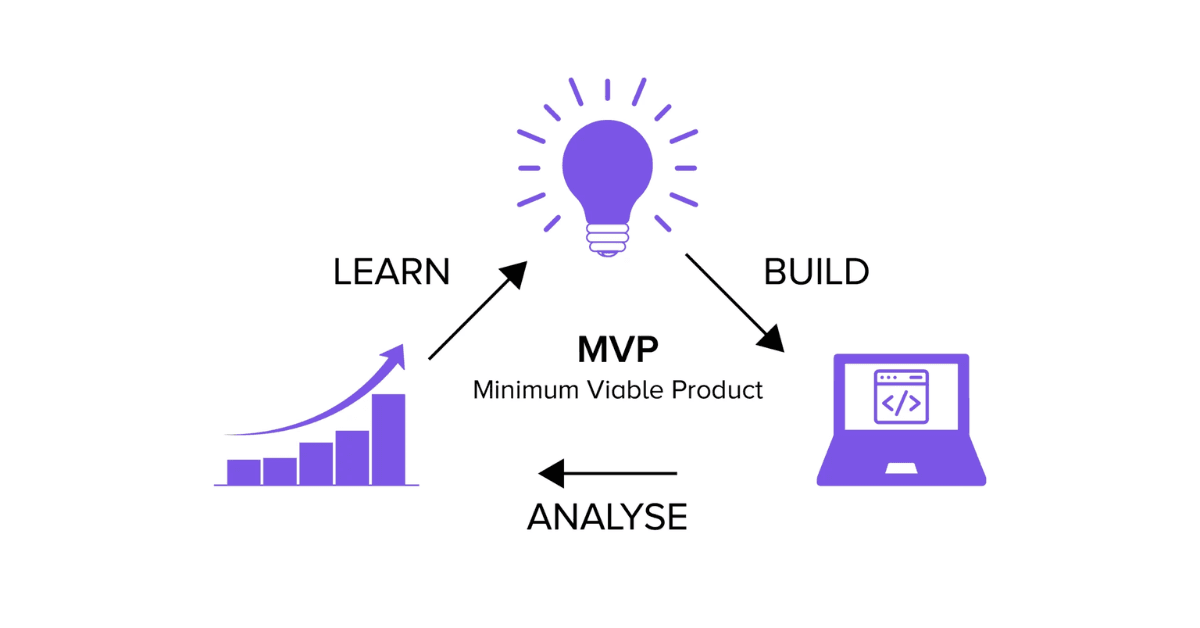
A minimum viable product (MVP) is the simplest version of your product that real users can actually use and that proves the idea is worth building further. In MVP software development, the goal isn't a smaller product. It's a faster answer to one question: will people use and pay for this?
It helps to know what an MVP is not:
- A prototype. A prototype is a demo or clickable mock-up. People can look at it, but they can't rely on it.
- A proof of concept. This tests whether something is technically possible, usually for an internal audience.
- A finished product. That comes after you've learned what your users want.
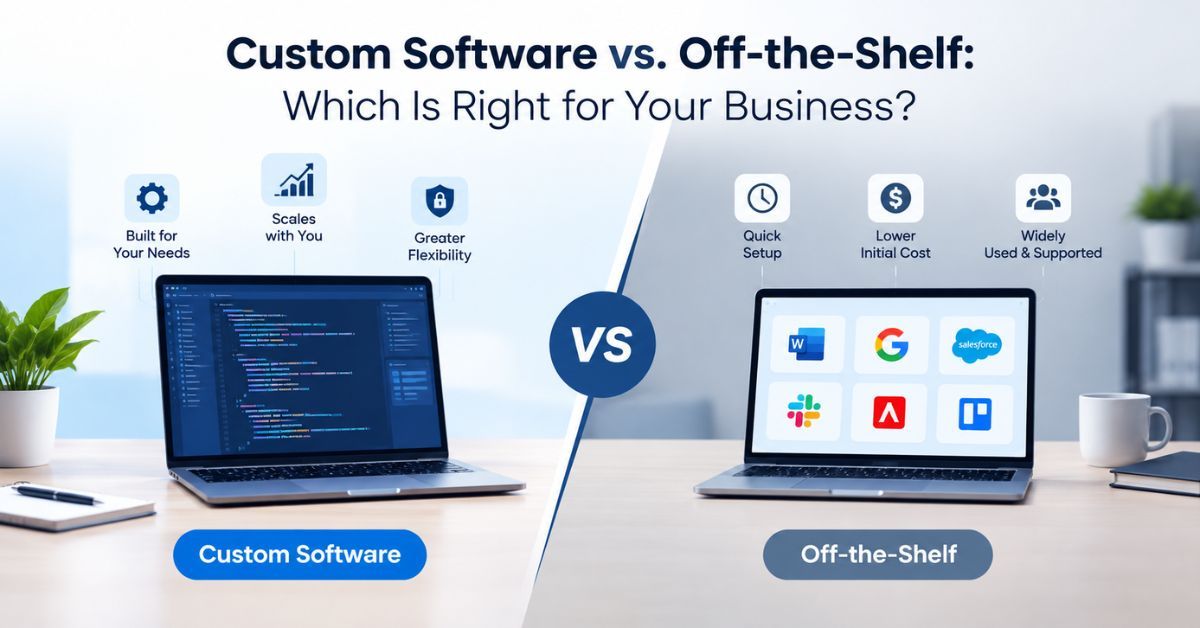
A good MVP does one job well. If you're weighing whether to build something custom at all, our guide on build vs buy explains when custom software pays off.
How Much Does MVP Development Cost in Canada?
Most agencies price by the hour, so the cost of an MVP is roughly the hours your scope needs multiplied by the team's rates. More screens, more integrations and more rules mean more hours. Here's what each tier typically involves.
Lean MVP: CAD 15,000-40,000
This is the right fit when you need to test one idea with real users.
- 5 to 10 screens
- Basic sign-up and login
- One core feature, built well
- A simple database
- One platform, web or mobile
Standard MVP: CAD 40,000-100,000
Choose this when your product needs to handle money, multiple user types or other systems.
- 10 to 20 screens
- User roles and permissions
- Payment processing
- Third-party integrations
- An admin dashboard
Complex MVP: CAD 100,000-200,000+
This tier fits products where complexity is part of the value, or where regulations apply.
- 20+ screens
- Real-time features such as live chat or tracking
- Complex business logic
- Several integrations
- Advanced security or compliance requirements
If your idea needs custom engineering rather than an off-the-shelf tool, our custom software development team can scope it with you. As a rough guide for hourly rates, Canadian freelancers often charge around CAD 75-130, while established agencies commonly charge more, depending on seniority and city.
How Long Does It Take to Build an MVP?
A lean MVP takes about 6 to 10 weeks, a standard one 10 to 16 weeks, and a complex one 16 to 30 weeks. Most of that time goes into design and build, not the launch itself.
- Discovery (1-2 weeks). You and the team agree on the one problem the MVP solves, the must-have features and the success measures.
- Design (2-3 weeks). Wireframes and screens, shaped by real user flows. Good UI/UX design at this stage saves expensive rework later.
- Build (4-10+ weeks). Developers work in short sprints, so you see working software every couple of weeks.
- Testing and launch (1-2 weeks). Bug fixing, security checks, and release to your first users.
The biggest threat to your timeline is scope creep. Every extra feature adds weeks, so agree on what's in version one before development starts.
What Affects MVP Development Cost?
Scope is the biggest driver of MVP development cost, but five other decisions move the number too.
Scope and features
Every feature adds design, build and testing time. Cutting a feature is the cheapest way to lower your budget, so be ruthless about what version one really needs.
Web, mobile or both
Building for one platform costs noticeably less than building for two. Not sure where to start? Our comparison of web app vs mobile app can help you decide, and our teams build both: web application development and mobile app development.
Design depth
A clean, template-based design costs less than a fully custom one. For an MVP, simple and clear beats polished. Design can take roughly 10 to 20 percent of the total budget.
Integrations and AI features
Payments, maps, CRMs and other third-party tools each add work. Adding a chatbot or other AI integration can raise the price further, depending on how central it is to the product.
Compliance and data
If your app collects personal information, Canada's federal privacy law, PIPEDA, applies. Health data can bring provincial rules as well, such as Ontario's PHIPA. Building privacy in from the start costs less than retrofitting it.
Team model and location
A freelancer, an agency, an offshore team and a no-code tool all price differently, and each comes with trade-offs. We compare them below.
Canadian Team, Offshore, Freelancer or No-Code?
The cheapest hourly rate rarely gives the lowest total cost, so compare what you get for the money. All figures below are approximate.
Option | Typical cost | Works well when | Watch out for |
Canadian agency | Roughly CAD 100-220 per hour | You want one accountable team, same time zone and local compliance knowledge | Highest hourly rate |
Canadian freelancer | Roughly CAD 75-130 per hour | Your scope is small and clearly defined | Quality depends on one person, limited backup |
Offshore team | Often 40-60% lower on paper | You have a clear spec and time to manage the work | Time zones, communication overhead, longer timelines |
No-code tools | About CAD 4,000-12,000 with a contractor | You only need to test demand before building | Limits on features, scale and code ownership |
Whichever route you take, ask who owns the code when the project ends. It should be you.
How to Budget for MVP Development for Startups
Spend about 60 percent of your budget on version one and keep 40 percent for what you learn after launch. Then work through these steps:
- Write your core use case in one sentence. If you can't, the scope is still too big.
- List only the features that use case needs. Everything else goes on a "later" list.
- Choose your platform and stack. Our guide to choosing a tech stack walks through the trade-offs.
- Get three quotes with the same written scope, so you're comparing like with like.
- Add a contingency of 20 to 30 percent for surprises, and plan for ongoing costs.
Ongoing costs catch many founders out. Hosting, updates, bug fixes and security patches commonly add up to 15 to 25 percent of the build cost each year.
MVP Examples by Industry
The same budget buys different things depending on your industry. Here's what a typical first version looks like in three common areas.
- Fintech MVP. A budgeting or payments app with secure sign-up, one core money flow and bank-level security. Identity checks and integrations push it toward the standard tier. See how we approach finance and banking.
- Healthtech MVP. A booking or patient-messaging tool with strict privacy controls. Compliance work is the main cost driver. Learn more about our approach to healthcare.
- E-commerce MVP. A single-category online store with checkout and basic inventory. Often a lean or standard build. Explore our e-commerce and retail services.
Common MVP Mistakes
The most expensive mistake is building too much before anyone has used the product. A few others come up again and again:
- Skipping validation. Talk to potential users before you write a line of code.
- Choosing on price alone. The lowest quote often leaves out testing, design or handover.
- Ignoring life after launch. Budget for fixes, hosting and the next round of features.
- Not owning your code. Get ownership and documentation in writing.
What to Look for in an MVP Development Company
The right MVP development company will help you cut scope, not pad it. Before you sign, ask these questions:
- Can you show MVPs you've built that are similar to mine?
- Who will work on my project, and who is my day-to-day contact?
- How do you estimate, and what happens if the scope changes?
- What's included: design, testing, deployment and handover?
- Who owns the code and the designs when we finish?
- What support do you offer after launch?
At VynTech, our MVP development services come with a dedicated project manager and regular progress updates, so you always know where the budget and timeline stand. Our custom software development services range from MVPs to enterprise platforms.
Want a number for your own idea? Request a free MVP estimate and we'll walk you through the options.
MVP Frequently Ask Questions
What is an MVP in software development?
An MVP is the simplest working version of a product that real users can try. It focuses on one core problem so you can test demand before investing in a full build.
How much does MVP development cost in Canada?
Most MVPs cost between CAD 15,000 and CAD 100,000, depending on scope, platform and team. Complex products with compliance needs or real-time features can exceed CAD 150,000.
How long does it take to build an MVP?
A lean MVP takes about 6 to 10 weeks, a standard one 10 to 16 weeks, and a complex one 16 to 30 weeks. Clear scope is the best way to protect your timeline.
Is offshore MVP development cheaper?
The hourly rate is often lower, but time zones, communication and rework can eat into the savings. A clear written scope makes offshore work much safer.
Can an MVP include AI features?
Yes. Simple AI features, such as a chatbot or smart search, can fit within a standard MVP. If AI is the core of your product, expect the complex tier.
Should my MVP be a web app or a mobile app?
It depends on where your users are and how they'll use the product. Many startups launch on one platform first to keep costs down.
Ready to Price Your MVP?
The fastest way to get a real number is to talk through your idea with a team that builds MVPs. Tell us what you want to build and who it's for, and we'll help you shape a first version that fits your budget.